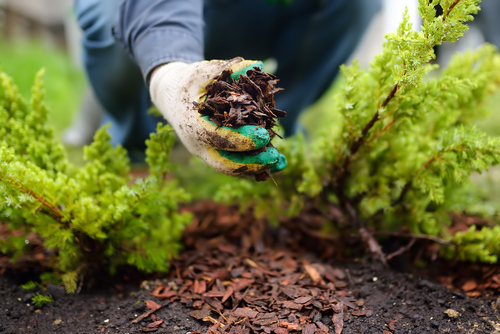
If you’re looking to elevate your landscaping game, consider adding mulch to your garden toolkit. Often overlooked, mulch is more than just a decorative topping; it’s a multifunctional resource that can significantly enhance the health and appearance of your outdoor spaces. Let’s dive into the many benefits of mulch and how it can transform your landscape.
What Exactly is Mulch?
Mulch is a protective layer placed on top of soil, made from a variety of materials. Organic options include wood chips, straw, grass clippings, and shredded leaves, while inorganic choices can range from gravel and stones to rubber and landscape fabric. Each type serves unique purposes and can be selected based on your landscaping goals.
Why Use Mulch?
- Weed Suppression One of mulch’s standout features is its ability to suppress weeds. By blocking sunlight, it prevents weeds from germinating, allowing your plants to thrive without competition. Less weeding means more time to enjoy your garden!
- Water Conservation Mulch helps maintain soil moisture by reducing evaporation. This is especially beneficial during dry spells, as it keeps the soil consistently moist, leading to healthier plants and lower water bills.
- Soil Health Improvement Organic mulches decompose over time, enriching the soil with vital nutrients. This natural process improves soil structure, enhances microbial activity, and boosts overall plant health.
- Temperature Regulation Mulch acts as an insulator, protecting roots from extreme temperatures. In the summer, it keeps soil cooler, while in winter, it helps retain warmth, creating a stable environment for your plants.
- Aesthetic Value Beyond practical advantages, mulch can elevate your garden’s appearance. Available in various colors and textures, it can enhance your landscape design, providing a polished look that frames your plants beautifully.
Choosing the Right Type of Mulch
When selecting mulch, consider the following:
- Plant Needs: Certain plants thrive better with specific types of mulch. For example, hardwood mulch is great for perennial beds, while straw is perfect for vegetable gardens.
- Local Climate: In regions with heavy rainfall, opt for a mulch that won’t compact too quickly. Conversely, in arid areas, heavier mulches help with moisture retention.
- Aesthetic Preferences: Choose a color and texture that complements your garden. Darker mulches can add contrast to vibrant flowers, while lighter options create a more natural look.
Application Best Practices
- Layering: Aim for a depth of 2 to 4 inches when applying mulch. This thickness is typically enough to suppress weeds and retain moisture without smothering your plants.
- Maintenance: Regularly refresh your mulch to keep it effective and looking great. Organic mulches will break down, so replenishing them yearly is recommended.
- Avoid Contact with Plant Bases: When applying mulch, keep it a few inches away from the base of plants and trees to prevent rot and promote healthy airflow.
Conclusion
Incorporating mulch into your landscaping not only beautifies your garden but also brings a host of benefits that support plant health and soil management. By understanding its advantages and how to choose and apply it correctly, you can create a thriving landscape that stands out. So next time you plan a garden project, remember: mulch is more than just a finishing touch—it’s an essential ingredient for success! Happy landscaping!