When you envision a flourishing garden, vibrant plants and colorful flowers often come to mind. However, one of the most powerful allies in achieving that dream is mulch. Often underestimated, mulch serves multiple purposes that can transform your landscaping efforts. Let’s explore what mulch is, its numerous benefits, and how to use it effectively in your outdoor spaces.
What is Mulch?
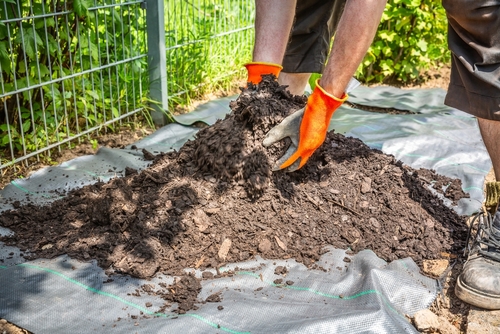
Mulch is a protective layer of material spread over the soil surface. It can be organic—like shredded bark, grass clippings, and compost—or inorganic, such as stones, gravel, and rubber. Each type has unique characteristics that cater to different landscaping needs.
Benefits of Using Mulch
- Weed Control One of the primary reasons gardeners use mulch is its ability to suppress weeds. By blocking sunlight, mulch inhibits weed seed germination, making it easier for your desired plants to flourish without competition.
- Moisture Retention Mulch acts as a barrier that reduces soil evaporation, helping to maintain consistent moisture levels. This is particularly beneficial during hot, dry spells, reducing the need for frequent watering and conserving water resources.
- Soil Temperature Regulation Mulch helps regulate soil temperature, keeping it cooler in summer and warmer in winter. This creates a more stable environment for plant roots, promoting healthy growth throughout the seasons.
- Nutrient Addition Organic mulches decompose over time, enriching the soil with essential nutrients. This natural amendment boosts soil health and promotes vigorous plant growth, making it a win-win for both your garden and the environment.
- Aesthetic Appeal Beyond its practical uses, mulch enhances the visual appeal of your landscape. Available in a range of colors and textures, it can create a polished look that beautifully frames your plants and adds depth to your garden design.
Selecting the Right Mulch
When choosing mulch, consider the following factors:
- Plant Types: Different plants thrive with specific mulches. For instance, pine needles are great for acid-loving plants, while hardwood mulch works well in perennial gardens.
- Climate Conditions: In areas with heavy rainfall, choose a mulch that won’t compact too much, while in drier regions, opt for heavier materials that retain moisture effectively.
- Aesthetic Preferences: Think about the look you want to achieve. Dark mulches can provide a striking contrast to bright blooms, while lighter options can create a more natural and rustic feel.
Tips for Applying Mulch
- Depth Matters: Aim for a 2- to 4-inch layer of mulch to effectively suppress weeds and retain moisture. Avoid piling it too high around plant bases to prevent rot.
- Regular Maintenance: Refresh your mulch annually or as needed. Organic mulches will break down over time, so topping them off will ensure they continue to provide benefits.
- Watch for Pests: Be mindful of pests that may take refuge in thick layers of mulch. Regularly check for signs of unwanted insects or rodents.
Conclusion
Incorporating mulch into your landscaping strategy is a simple yet effective way to boost plant health, conserve water, and enhance the beauty of your garden. Whether you’re a seasoned gardener or just starting out, understanding the advantages of mulch can help you create a thriving outdoor space that you can enjoy for years to come. So go ahead—embrace the power of mulch and watch your landscape flourish!